Across the Nordic region, professional and scientific conferences have long played a critical role in knowledge exchange. Whether in medicine, research, technology, or academia, these gatherings bring together experts to share discoveries, discuss new ideas, and build professional networks.
But the way these events are organized and experienced is changing rapidly.
In recent years, the expectations of both organizers and participants have evolved. Conferences are no longer limited to a physical venue or a traditional agenda of presentations and discussions. Instead, they have become dynamic ecosystems where digital access, hybrid participation, and interactive engagement are just as important as the content itself.
For organizers across the Nordics, this shift is redefining what it means to deliver a successful conference.
The Growing Complexity of Scientific Conferences
Scientific and professional conferences in the Nordics often involve hundreds of participants, multiple speakers, and parallel sessions running simultaneously. For many associations and professional organizations, these events are the most important annual gathering for their communities.
Managing such events involves far more than coordinating speakers and venues.
Organizers must handle registration and payments, manage abstract submissions from researchers, communicate updates to participants, ensure smooth check-in at the venue, and increasingly provide access for attendees who cannot participate physically.
At the same time, participants expect a seamless experience. They want easy registration, clear program information, quick access to presentations and materials, and opportunities to interact with speakers and peers whether they are attending in person or remotely.
Without the right digital infrastructure, managing these expectations can quickly become overwhelming.
The Rise of Hybrid Conferences
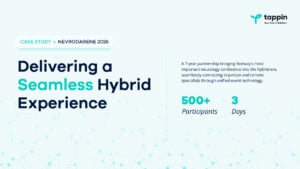
The pandemic accelerated the adoption of hybrid events across the Nordic conference landscape, but the shift has proven to be more than temporary.
Hybrid participation is now becoming a permanent feature of many conferences.
For professional associations and academic communities, hybrid formats offer clear advantages. They allow organizers to reach a wider audience, enable professionals from different regions to participate without travel, and make knowledge sharing more accessible.
However, hybrid conferences also introduce new operational challenges.
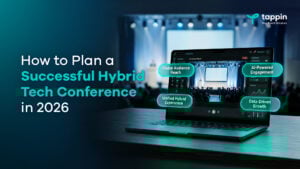
Organizers must ensure that both in-person and digital participants have a high-quality experience. Sessions need to be streamed reliably, communication must reach everyone simultaneously, and engagement tools must work across both audiences.
Achieving this balance requires more than just streaming technology. It requires a platform that connects the entire event journey from registration to engagement and post-event insights.
A New Generation of Event Platforms
This is where modern event platforms like Tappin are playing an increasingly important role.
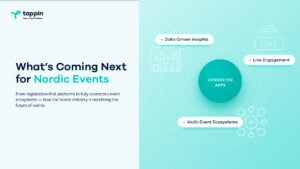
Rather than relying on multiple tools and manual processes, many Nordic organizers are now adopting integrated event platforms that centralize every aspect of conference management.
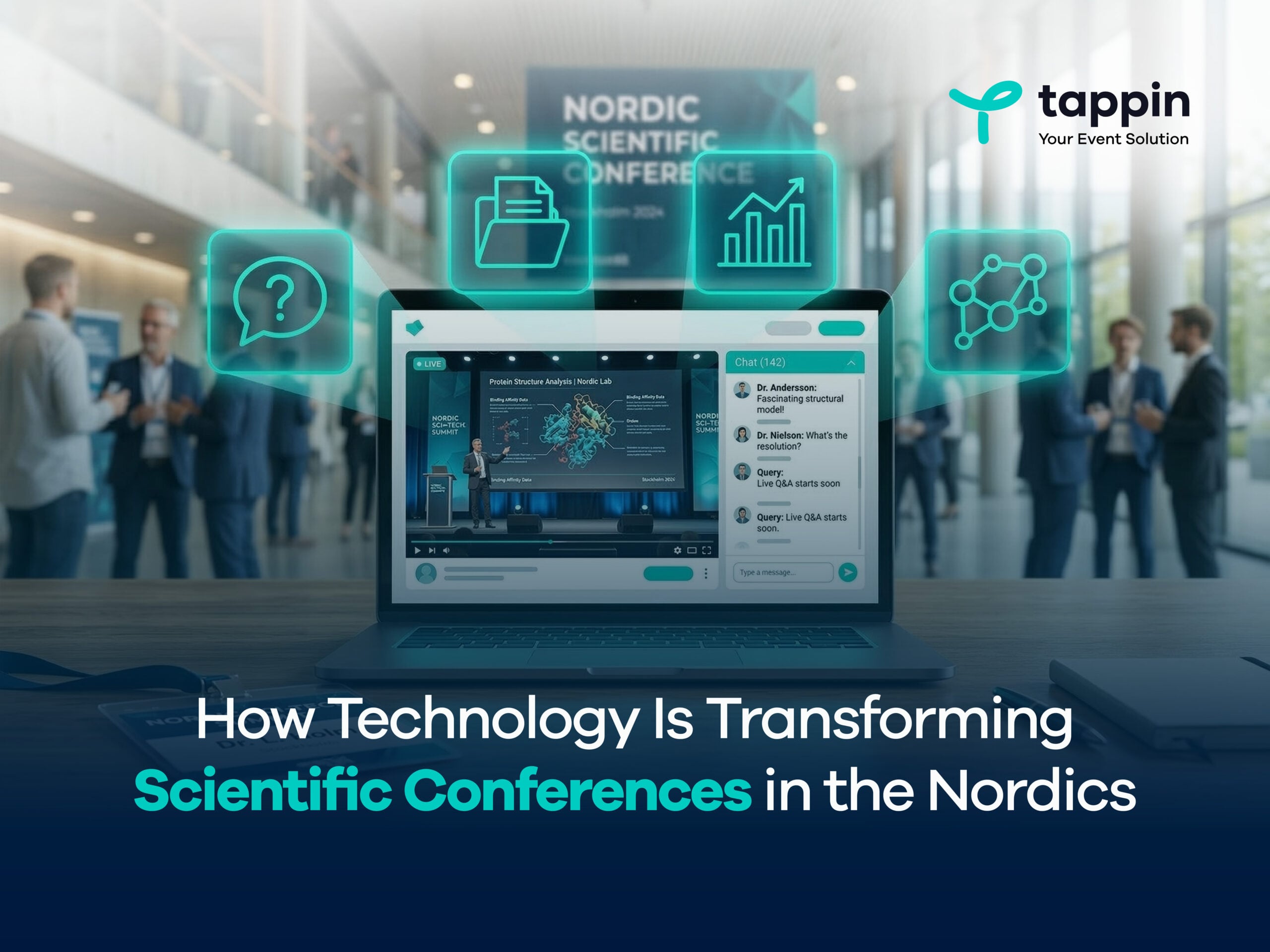
With a single platform, organizers can manage participant registration, abstract submissions, event communication, live streaming, check-in, and analytics all in one place.
For participants, this means a smoother and more engaging experience. For organizers, it significantly reduces administrative complexity.
In practice, this shift allows conferences to focus on what matters most: knowledge sharing and community building.
Enhancing Engagement Beyond the Stage
Traditional conferences have always centered around presentations and discussions. While these remain essential, digital platforms are now enabling entirely new forms of interaction.
Interactive tools such as quizzes, chat functions, and live feedback mechanisms allow participants to engage actively with speakers and sessions. Rather than passively watching a presentation, attendees can participate in discussions, answer questions, and share insights with their peers.
Real-time updates and push notifications also help keep participants informed throughout the event, ensuring that program changes, announcements, or important reminders reach everyone instantly.
These features are particularly valuable in complex conferences where multiple sessions and tracks are running simultaneously.
By creating a more interactive environment, technology helps transform conferences from passive listening experiences into dynamic knowledge-sharing platforms.
Simplifying Logistics for Organizers
Beyond engagement, event technology is also helping organizers streamline the operational side of conferences.
One example is QR-based check-in, which allows participants to register and enter the venue quickly without long queues. For large events with hundreds of attendees arriving at the same time, this simple innovation can dramatically improve the arrival experience.
Similarly, digital platforms simplify the management of abstracts and presentations, ensuring that all materials are stored and accessible in one place.
For professional associations that rely on volunteers or small organizing teams, these efficiencies can make a significant difference.
Instead of spending time coordinating spreadsheets, emails, and manual processes, organizers can focus on delivering a high-quality conference program.
Supporting Sponsors and Networking
Another important aspect of professional Scientific Conferences is the role of sponsors and partners.
In the Nordic conference ecosystem, sponsors often play a key role in supporting events while also seeking opportunities to connect with participants.
Digital platforms help facilitate these connections by providing dedicated spaces where sponsor information, resources, and contact details are easily accessible.
Participants can learn about sponsors, access materials, and connect with representatives directly through the event platform.
Even after the conference ends, these connections can continue, strengthening the long-term value of the event for both organizers and partners.
Data-Driven Scientific Conferences
Perhaps one of the most transformative aspects of modern event platforms is the ability to generate insights.
By analyzing participant behavior such as session attendance, engagement levels, and platform usage organizers can gain a deeper understanding of what works and what can be improved.
These insights allow conference organizers to refine their programs, improve participant experiences, and make more informed decisions when planning future events.
For many Nordic organizations, this shift toward data-driven event management is becoming an important part of long-term conference strategy.
The Future of Scientific Conferences in the Nordics
As the Nordic conference landscape continues to evolve, one thing is becoming clear: technology will play a central role in shaping the future of professional events.
Hybrid participation, interactive engagement, and integrated event platforms are no longer experimental ideas they are becoming standard expectations.
For organizers, adopting the right technology is not just about efficiency. It is about ensuring that Scientific Conferences remain relevant, accessible, and engaging for modern audiences.
Platforms like Tappin are helping organizations across the Nordics navigate this transformation by providing the tools needed to manage complex events while enhancing the participant experience.
Ultimately, the goal remains the same as it has always been: bringing professionals together to share knowledge, exchange ideas, and strengthen their communities. The difference is that today, technology is making those connections easier, more accessible, and more powerful than ever before.