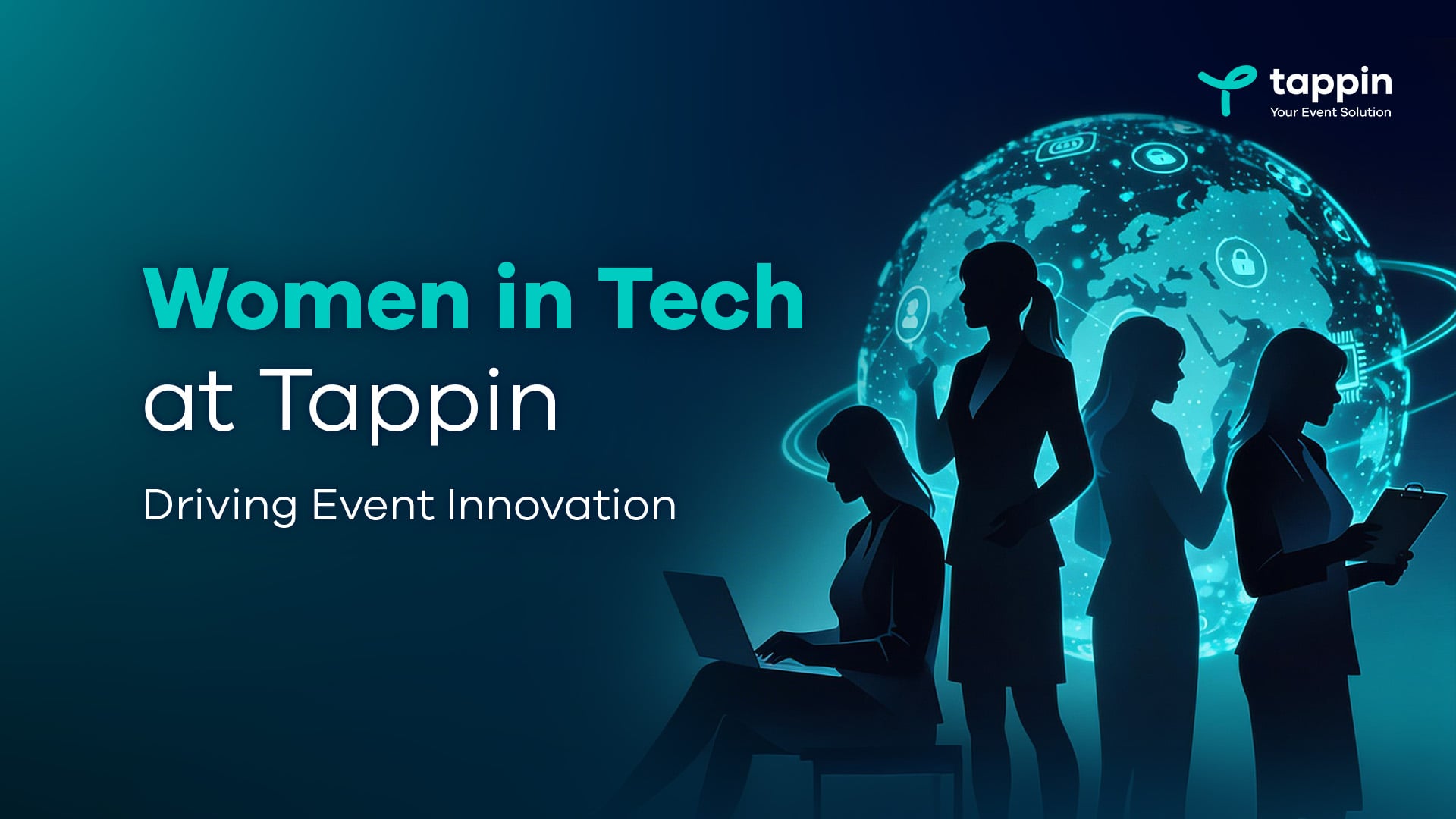
Event technology has evolved rapidly over the past decade. What once centered on basic registration systems and on-site check-ins has become a sophisticated digital ecosystem powered by real-time analytics, AI-driven matchmaking, seamless integrations, and personalized attendee journeys. As the industry has transformed, so has the leadership and talent shaping it with Women in Tech playing an increasingly influential role in driving innovation and progress.
Women are playing a central role in this evolution.
Across the event tech landscape, women are designing scalable platforms, leading product innovation, driving enterprise partnerships, strengthening cybersecurity frameworks, and building data models that turn insights into meaningful experiences. They are engineers, strategists, founders, operators, and executives contributing across every layer of the industry.
This progress is not about spotlighting women as exceptions. It reflects a broader shift toward normalization where equality is expected, and leadership is defined by competence, not gender.
There is still work to be done when it comes to normalization, female C-suite leaders are still between only 15-20%. It is key to be a role model to work towards equality.
Why Women in Tech Drive Equality in Event Technology
Event technology operates at the intersection of digital infrastructure and human connection. Platforms must be secure, reliable, and scalable while also intuitive, inclusive, and accessible. Building systems that serve diverse audiences requires diverse thinking.
Inclusive teams design better products. They anticipate varied user needs, prioritize accessibility from the outset, and bring broader perspectives into product development and strategy. In a global industry where events connect industries, cultures, and communities, representation strengthens innovation.
Equality in event tech is not a symbolic initiative. It directly impacts product quality, user experience, and long-term growth.
How Tappin Supports Women in Tech
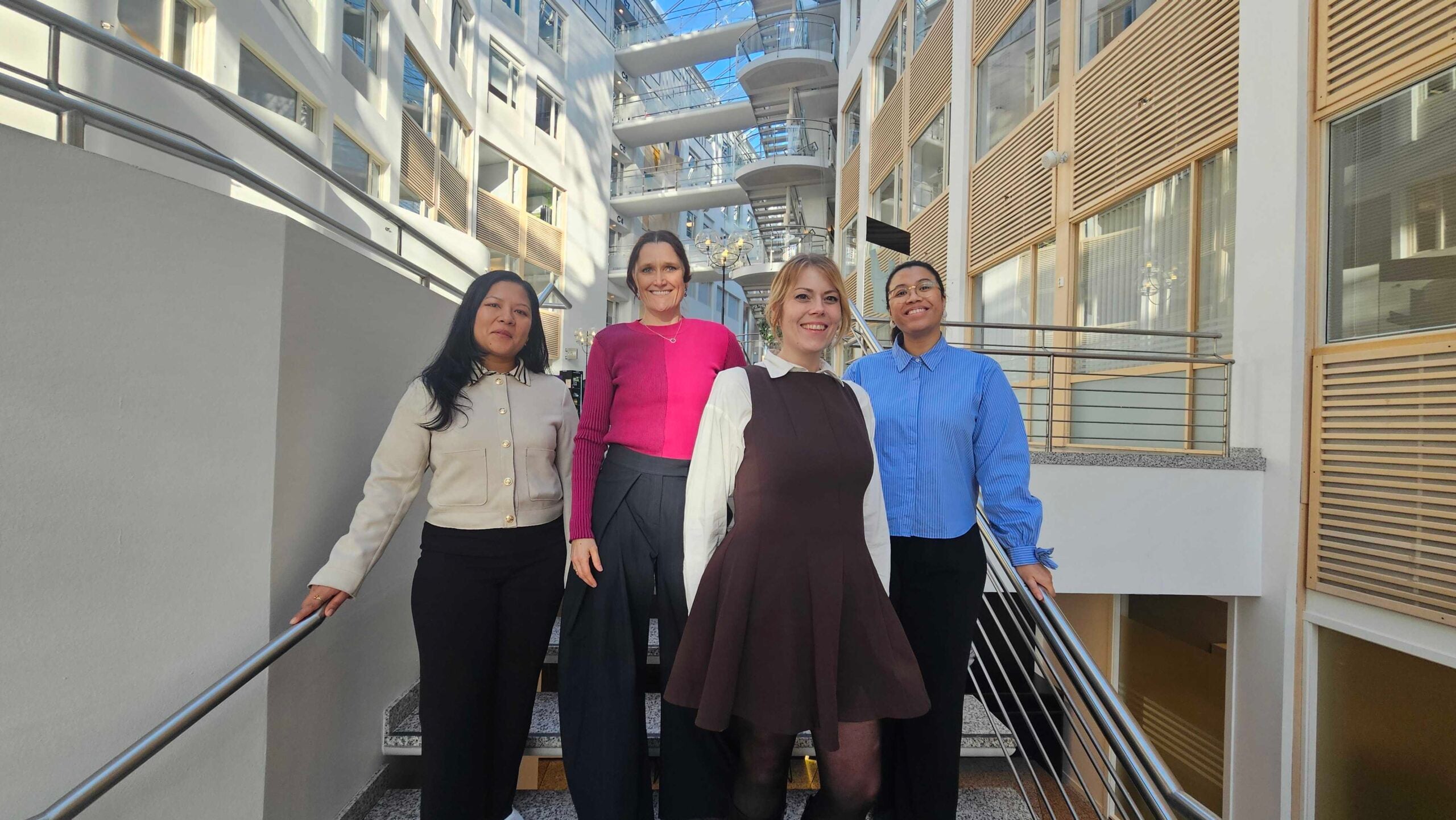
At Tappin, equality is embedded into the company’s culture and operations. Women are integral contributors across engineering, product development, sales, strategy, customer success, and leadership. Roles are defined by capability and performance, with clear expectations and transparent opportunities.
The company does not treat women as a separate category or initiative. Instead, it fosters an environment where every team member regardless of gender can contribute fully, grow professionally, and lead with confidence.
This approach shapes how Tappin builds its technology. Diverse teams collaborate more effectively, challenge assumptions constructively, and develop solutions that reflect the realities of modern event audiences. The result is stronger platforms and more meaningful event experiences.
Recognizing Industry Impact
The advancement of women in tech is the result of sustained effort across the industry. Engineers modernizing legacy systems, product leaders rethinking user journeys, founders launching innovative startups, and executives guiding digital transformation have collectively moved the industry forward.
Tappin acknowledges and appreciates the contributions of past and present female colleagues, partners, and industry leaders whose work continues to elevate the standards of event technology.
The Future of Women in Tech in Event Technology
As hybrid event technology continues to advance through artificial intelligence, predictive analytics, sustainability tracking, enhanced data security, and immersive hybrid formats the importance of inclusive leadership will only grow.
Tappin remains committed to cultivating an environment where belonging is assumed, leadership pathways are accessible, and equality is practiced daily. The company believes that when teams reflect the diversity of the audiences they serve, the technology they build is stronger, smarter, and more human. Women in tech are not a side narrative. They are central to the industry’s innovation and growth. At Tappin, that belief is reflected not only in words, but in the way the company builds its teams, its culture, and its technology.