
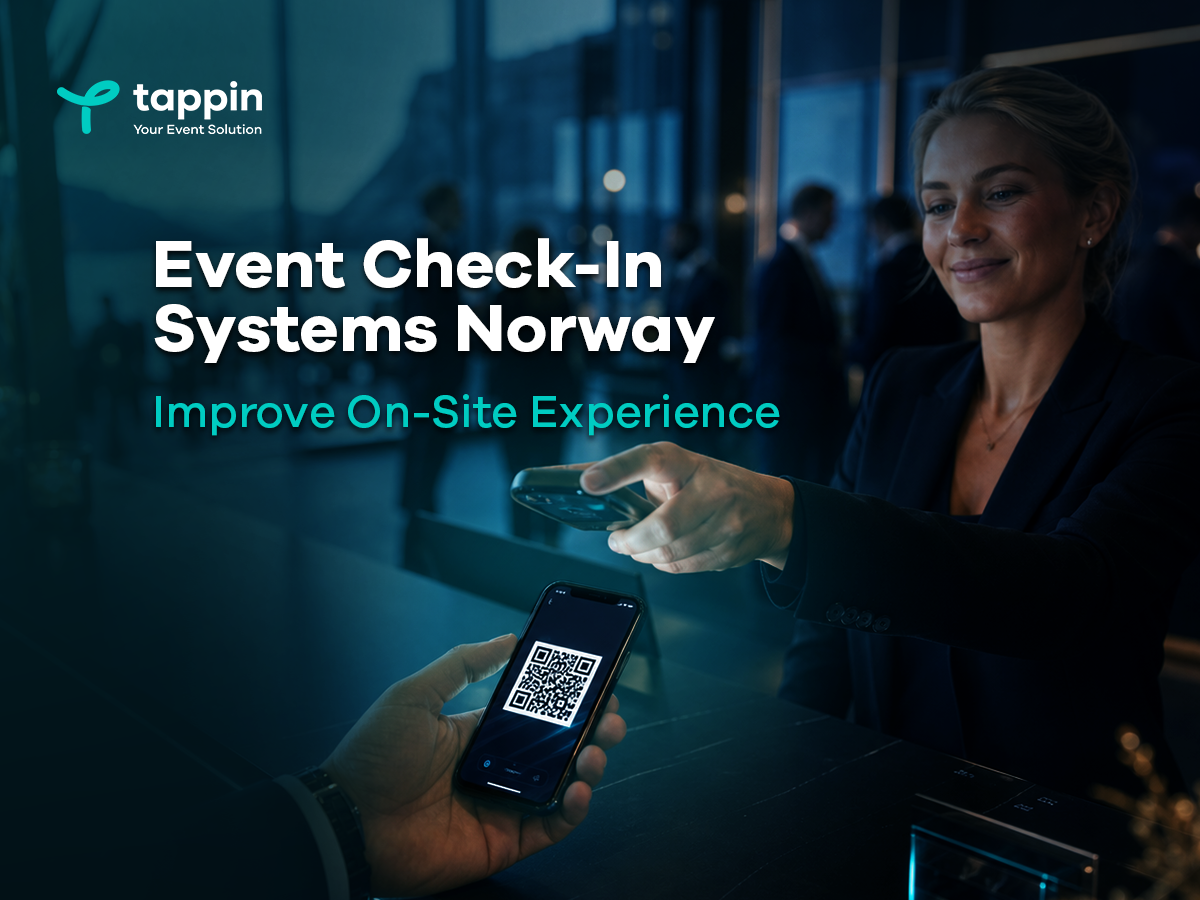
In the world of physical events, first impressions are not formed when the keynote begins or when networking starts—they are formed at the entrance. The moment an attendee arrives and interacts with your registration desk sets the tone for the entire experience. This is why investing in the right event check-in system Norway is no longer optional; it is a critical component of successful event execution.
As expectations around efficiency, personalization, and professionalism continue to rise, organizers are increasingly turning to smarter solutions to streamline entry processes. From corporate conferences to large-scale exhibitions, the role of event technology Norway is becoming central to delivering seamless on-ground experiences.
Why an Event Check-In System Matters More Than You Think
Check-in is often underestimated in the broader scope of event planning, but it plays a disproportionately large role in shaping attendee perception. A smooth, quick, and well-organized entry process immediately signals professionalism and attention to detail. On the other hand, long queues, confusion, or delays can create frustration before the event even begins.
In the context of event check-in system Norway, this becomes even more important. Norwegian audiences value efficiency, punctuality, and clarity. Any friction at the entry point can negatively impact engagement levels for the rest of the event.
Beyond perception, check-in is also a critical data touchpoint. It provides real-time visibility into attendance, helps validate registrations, and ensures that the right people are present. For organizers, this data is essential for both operational control and post-event analysis.
Additionally, the check-in process sets the stage for personalization. When executed well, it can enable tailored experiences, from customized badges to session recommendations and networking opportunities.
Problems Solved by an Event Check-In System
Despite advancements in event technology Norway, many events still rely on manual or semi-digital check-in processes. While these methods may seem straightforward, they often introduce inefficiencies that can impact both attendees and organizers.
One of the most common issues is long wait times. Searching through printed lists or manually verifying registrations can slow down the process significantly, especially during peak arrival periods. This not only frustrates attendees but also creates congestion at the entrance.
Human error is another major concern. Misspelled names, misplaced lists, and incorrect check-ins can lead to confusion and delays. In high-stakes business events Norway, such errors can affect the overall professionalism of the event.
Manual systems also lack real-time visibility. Organizers have limited insight into how many attendees have arrived, which sessions are filling up, or how traffic is distributed across the venue. This makes it difficult to make informed decisions on the spot.
Furthermore, manual processes are not scalable. As event size grows, managing check-in without digital support becomes increasingly complex and resource-intensive.
Cut check-in queues to under 30 seconds per attendee See how Tappin’s QR-based check-in handles 500+ attendees without bottlenecks. Book a 20-min demo tailored to your event size. Book a Demo →
Benefits of a Digital Event Check-In System
Adopting a digital event check-in system Norway can transform the on-site experience for both attendees and organizers. These systems are designed to eliminate friction, improve accuracy, and provide valuable insights.
One of the most immediate benefits is speed. Digital check-in tools allow attendees to scan QR codes, use mobile apps, or check in via self-service kiosks. This significantly reduces wait times and ensures a smoother flow of people into the event.
Accuracy is also greatly improved. Automated systems minimize human error and ensure that registration data is consistently updated. This is particularly important for events with multiple ticket types, access levels, or sessions.
Real-time data is another key advantage. Organizers can track attendance as it happens, monitor peak entry times, and adjust resources accordingly. This level of visibility enhances overall event management and enables more responsive decision-making.
Digital systems also support better personalization. From printing badges on demand to enabling targeted communication, these tools help create a more tailored experience for attendees.
Sustainability is an added benefit. By reducing the need for printed materials and manual processes, digital check-in systems align with Norway’s strong focus on environmental responsibility.
Features to Look For
When selecting an event registration system Norway, it is important to evaluate features that directly impact both efficiency and experience. Not all solutions are created equal, and choosing the right one can make a significant difference.
Ease of use should be a top priority. The system must be intuitive for both staff and attendees, ensuring that check-in is quick and hassle-free. Complex interfaces can slow down operations and create unnecessary confusion.
Speed and reliability are equally important. The system should be able to handle high volumes without lag or downtime, especially during peak entry periods. Offline capabilities can also be valuable in case of connectivity issues.
Integration is another key factor. A good system should seamlessly connect with your registration platform, CRM, and communication tools. This ensures that data flows smoothly across all stages of the event.
Customization options can enhance branding and personalization. From branded check-in screens to customized badges, these features help create a cohesive and professional experience.
Security and data protection are critical considerations, particularly in a region with strict regulations. The system must ensure that attendee data is handled securely and in compliance with relevant standards.
Finally, analytics capabilities should not be overlooked. Access to detailed reports and insights allows organizers to evaluate performance and improve future events.
How Tappin Simplifies Check-In
As event expectations continue to evolve, platforms like Tappin are redefining how organizers approach event check-in system Norway. Designed as an integrated solution, Tappin brings together registration, ticketing, and on-site engagement into a seamless ecosystem.
What makes Tappin particularly effective is its ability to streamline the entire check-in journey. Attendees can register in advance, receive digital confirmations, and check in quickly using QR-based systems. This reduces wait times and eliminates the need for manual verification.
Beyond speed and efficiency, Tappin enhances the overall experience. Its integrated approach ensures that check-in is not just a transactional step but part of a connected event journey. From badge generation to real-time updates, every element is designed to keep attendees informed and engaged.
For organizers, Tappin provides valuable visibility into attendance and engagement. Real-time data allows for better resource management and more informed decision-making during the event. Its ability to integrate payment solutions, vouchers, and invoicing further simplifies operations, making it a strong choice for event registration system Norway.
As the platform continues to evolve, features like advanced reporting dashboards will provide even deeper insights into event performance. This aligns with the growing demand for data-driven event technology Norway, where measurement and optimization are key to success.
A well-executed check-in process is more than just an operational necessity—it is a strategic advantage. In the context of event check-in system Norway, it sets the foundation for a seamless, engaging, and professional event experience.
By moving away from manual processes and embracing digital solutions, organizers can eliminate friction, improve accuracy, and create a positive first impression that carries through the entire event. As expectations continue to rise, investing in the right tools and strategies will be essential for delivering successful in-person events Norway.
Ultimately, the goal is simple: make entry effortless, so the experience can begin the moment attendees arrive.
Want to see how a smarter event check-in system works in real time?
Discover how Tappin helps organizers simplify registration, streamline attendee entry, and improve event operations from start to finish.